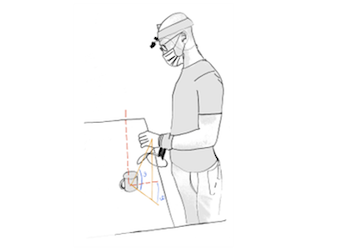
UC9 - Adaptive Control of Hannes Prosthetic Device
This use case aimed to improve the integration of wearable prosthetic arms with sensor-driven autonomous behaviour, leveraging AI methods and 5G connectivity to offload computationally intensive processes to a remote server, thereby reducing cognitive load on the user. Pre-trial activities confirmed the necessity of image compression algorithms (MPEG-2 offered the best compromise between required throughput and latency) and the superiority of the Nvidia Orin Nano board over previous hardware for real-time processing, ensuring efficient data transmission to the AI machine. The trials demonstrated optimal performance, with Uplink throughput per device (KPI#06) achieving 20 Mbps (meeting the 20 Mbps requirement) and Application one-way latency (KPI#09) at 7 ms (better than the 10 ms requirement). This confirmed the system’s ability to maintain ultra-low latency crucial for natural prosthetic control. Tests based on well recognized NASA-TLX scores showed similar perceived workload for both wired Ethernet and 5G conditions, both rated “Somewhat High”. In any case 5G indicated a more balanced workload distribution, suggesting reduced physical burden due to wireless freedom. SUS scores were consistently high (Ethernet 83.07, 5G 83.75), both falling into the “Excellent” usability range. Grasping success rates were also consistently high (Ethernet 0.96, 5G 0.94). Overall, the 5G-based setup provided a user experience comparable to, and in some aspect superior to, the wired approach, enhancing flexibility and user mobility. {: .text-justify}